Insurance markets are failing as worsening environmental risk—wildfires, floods, and violent storms—has exposed a fundamental flaw in how property insurance operates. Insurers can't simply rely on adjusting prices, as the future is likely to be even more volatile, forcing insurers to leave markets entirely or charge untenable prices. Without the stability of affordable, reliable insurance, property owners are subject to declining property values, housing insecurity, and sharply rising living costs.
The New Standard
Stand endeavors to help insure the world's most exposed property.
We believe there is a solution: insurance that helps intervene to strengthen the built environment and thus reduce risk. Acting to reduce losses offers substantial returns— investing $1.7 trillion globally in risk reduction from 2020 to 2030 could prevent up to $6.8 trillion in future losses[1]. The key is to align the incentives between property owners and insurers to invest in direct mitigation that actually reduces risk. Safer homes should be cheaper to insure. By partnering with property owners to help them get the right insurance coverage for their homes and design resilient homes and structures, we can reopen distressed insurance markets and close the $234B insurance gap[2].
The industry has long known that directly reducing risk should translate to lower premiums (like only paying for the miles you drive 😉). The limitation is that actuarial science is backward-facing: pricing is based on clear, historical evidence based on actual property losses measured over decades. The result is that existing insurers might broadly conflate property risk with location-based risk, for example, treating all properties in a high-wildfire risk area as equally vulnerable—whether it's a brick home with a metal roof or a thatched-roof cabin. Homeowners who invest in fire-resistant materials, brush clearing, or other mitigation measures often see no meaningful reduction in their premiums, despite significantly reducing their property's risk. Worse, many are dropped by insurers altogether, despite taking action to mitigate and reduce risks on their property.
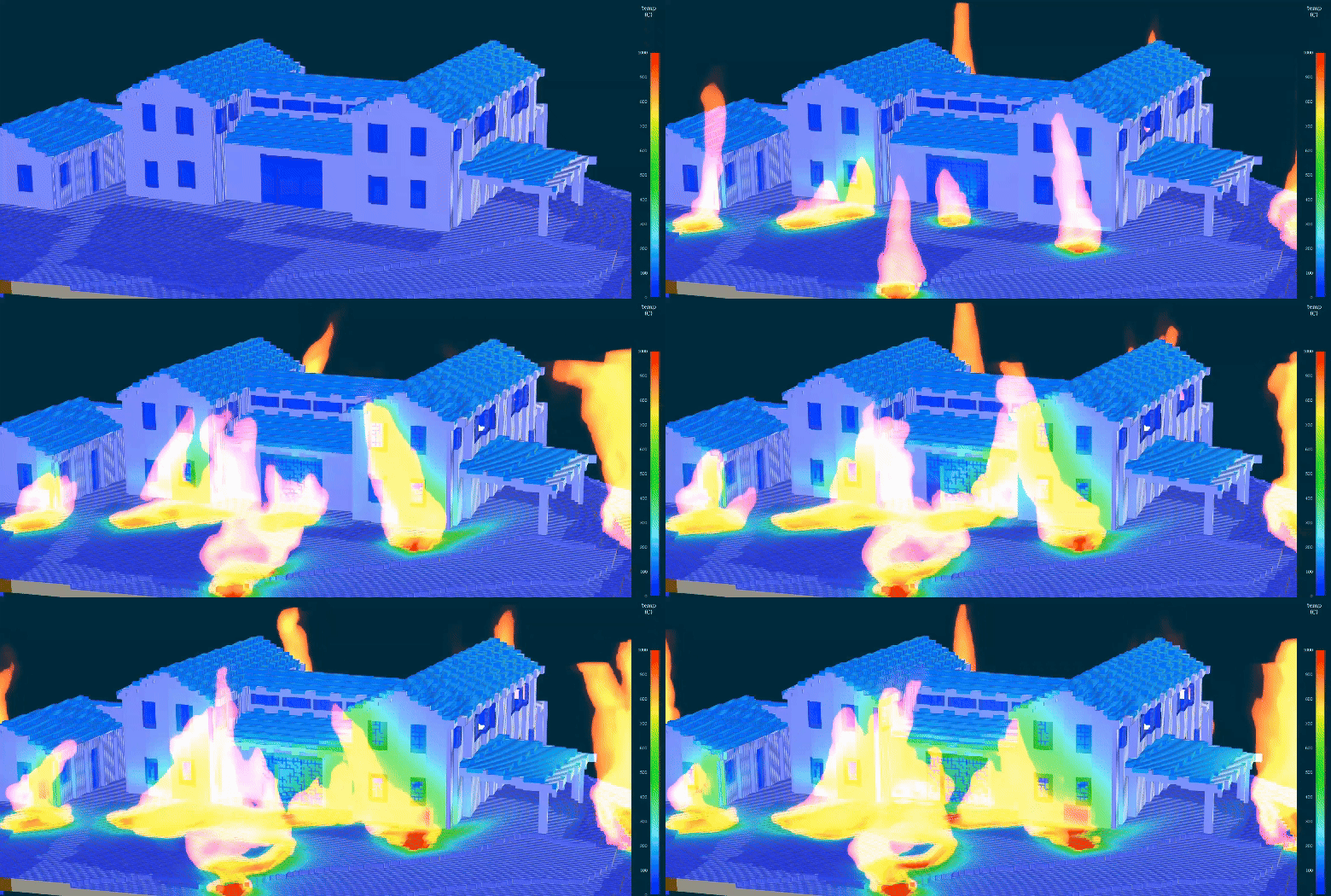
Instead, Stand treats every home as unique. We analyze properties in obsessive detail— down to the placement of a single tree (even species of tree!)— to create a customized resilience plan that keeps homes safe but preserves their beauty. We reward the work owners have done to protect their homes by valuing the impact of new measures and technologies that reduce the likelihood of loss or damage to one's property.
How do we know what works? Our process mirrors the rigor of aerospace engineering, where wind tunnels and simulations ensure aircraft safety. We apply similar methods to simulate fire, wind, and water, tailoring solutions to individual properties. This forward-looking approach enables us to find coverage for homes in higher-risk areas—like a raised house in a floodplain or a fire-resistant home in wildfire-prone zones—at competitive rates. By working with our customers to make targeted, impactful changes, we can help home owners with getting coverage to insure an uncertain future — by taking action to make it more certain.
Our Future
Over the life of our business, we intend to incentivize billions of dollars of resiliency infrastructure globally, while making a substantial dent in the cost and availability of insurance. In doing so, we will create a fundamentally safer future. Insurance products available through Stand and risk mitigation services we offer help customers make their properties safer and protect the things they care about at competitive rates.
Our first market is high value homes in wildfire-prone areas. This is a highly distressed market, with little state program support. It allows us to "start small": for these homes, we can act solely on an individual property and have a direct impact, without having to also alter surrounding regions (yet!). With that foundation, we can scale up to support businesses, communities, and beyond.
Our Team
The Stand team is purpose-built for this problem. We are fortunate to have brought together an exceptional team of applied physicists, computer scientists, insurance professionals, and product leaders— across companies such as SpaceX, AIG, Pure, SLAC, and more. We welcome our carrier partner and our partner reinsurers who represent the world-leading catastrophe insurance markets (AM Best A- rated or better).
Our founding team consists of several multi-time founders that have built complex products and businesses to scale:
- Dan built Metromile, using sensors to incentivize safer and less driving
- Jason built Policygenius, an insurance marketplace for millions of users, with a deep understanding of distribution and consumer experience
- Sam was the co-founder of HotelTonight, a leading marketplace for travel and hotels, with a deep understanding of the needs of property businesses and product development
- Bill is the founder of Convective Capital, the world's leading wildfire venture technology fund - investing in the most promising businesses designed to create resiliency. He was formerly the CEO of WePay, a fintech company that was acquired by J.P. Morgan
Dan Preston
CEO, co-founder
CEO at Metromile (Nasdaq: MILE), board member at Dave (Nasdaq: DAVE)
Jason Mueller
CPO, co-founder
CPO at Policygenius (acq. by Zinnia), VP of Product at Pendo, Founder of MyFit (acq. by Naviance)
Sam Shank
Co-founder
CEO at HotelTonight (acq. by Airbnb), Founder at DealBase, board member at Operto Guest Technologies
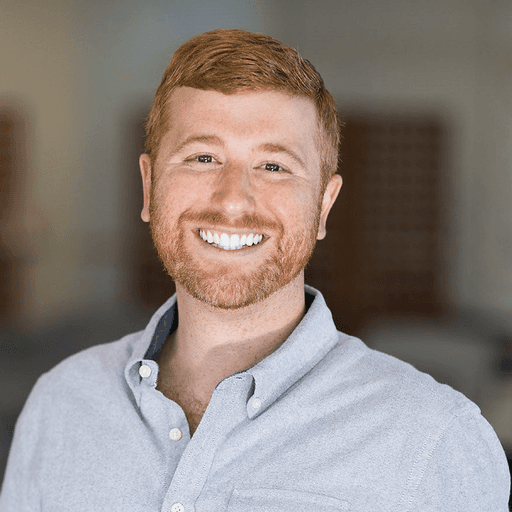
Bill Clerico
Co-founder
CEO at WePay (acq. by JPMorgan Chase), Founder at Convective Capital leading firetech investment fund
Join us as a partner, customer or team member as we take a stand to adapt our world for a safer and more livable future. We look forward to strengthening our physical world together,